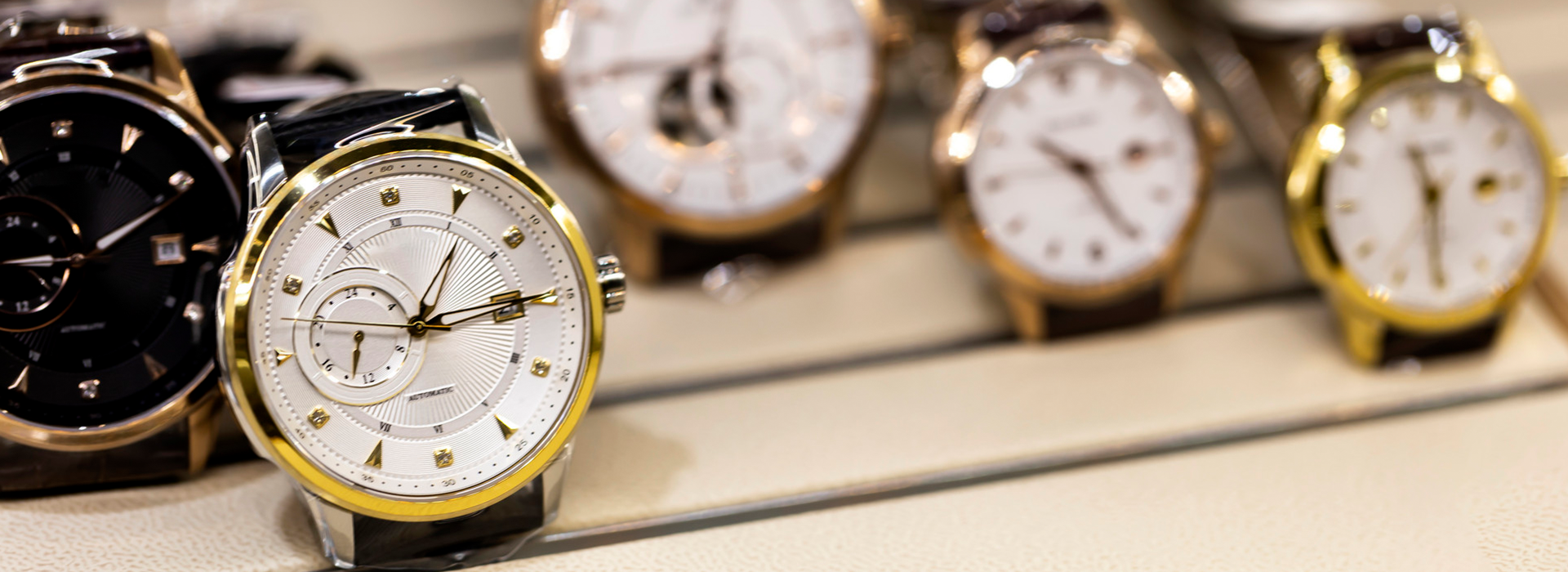
How to Use a Mechanical Chronograph Correctly
Time:
2025-06-12 17:23
Source:
Many people love wearing chronograph watches. The compact design with multiple dials looks more sophisticated and bold than ordinary watches, which might be why chronographs are so appealing. However, some users are unsure how to use mechanical chronographs properly. Proact Watch is here to explain!

A mechanical chronograph, as the name suggests, is a mechanical watch with a timing function. Generally, it must record seconds and minutes. Most modern mechanical chronographs have three small dials and two buttons. While the positions and shapes of dials and buttons vary by brand and model, the core indicators remain consistent.
Components of a Mechanical Chronograph
Three Small Dials:
1)Minute chronograph dial:Typically marked with a maximum of 30, used to record up to 30 minutes.
2)Hour charonograph dial:Marked with a maximum of 12, used to record up to 12 hours.
3)Small seconds dial:Shows continuous seconds when the watch is running normally.
Two Buttons:
1)Top button(usually at 2 o'clock):Starts/stops the timing function.
2)Bottom button(usually at 4 o'clock):Resets the chronograph to zero.
Note: The layout of dials and buttons may differ by model. Check the sacle (scale markings) on the dials or refer to the manual for specifics. The large central second hand on a chronograph is for timing only and remains stationary at the 12 o'clock position when the timing function is off. The continuous seconds are displayed on the small seconds dial.

How to Use the Timing Function
Most mechanical chronographs use a two-button system:
1.Start Timing: Press the top button (2 o'clock). The large central second hand begins moving. It completes one lap per minute, while the minute chronograph dial advances one increment. The hour chronograph dial advances after the minute dial completes a full 30-minute cycle.
2.Stop Timing: Press the top button again. The hands freeze, and their positions indicate the elapsed time.
3.Reset to Zero: Press the bottom button (4 o'clock) to return all chronograph hands to 12 o'clock. Always stop the timing function before resetting to avoid damaging the movement.
Common Misunderstanding: Since the large central second hand stays still when not timing, some people mistakenly think the watch is broken. This is normal for mechanical chronographs—only the small seconds dial shows continuous movement.

Maintenance Tips for Mechanical Chronographs
1.Follow the Operation Sequence:
Always use the cycle: Start → Stop → Reset. Avoid frequent pressing of the buttons, especially on new watches—the start/stop button may feel stiffer due to the complex gear system. Proper operation reduces gear wear and malfunctions.
2.Avoid Heavy Impacts:
More gears mean higher vulnerability to shocks. Avoid vigorous movement or collisions while the timing function is active, as this can dislodge gears and cause failures.
3.Don’t Leave Timing Function Running Continuously:
Some users keep the timing function active to make the large second hand move (to avoid others thinking the watch is stopped). However, prolonged use strains the movement, affecting accuracy and power reserve. In fact, inexpensive "multidial" watches without true chronograph functions often have a continuously moving central second hand, making it a sign of lower-end models. Experienced watch enthusiasts never leave the chronograph running unnecessarily—it undermines the watch’s sophistication.

By understanding these features and following proper usage, you can fully appreciate the precision and elegance of your mechanical chronograph while ensuring its longevity. If you have any questions and something what to talk, please feel free contact us!
Previous page
Next page
Previous page
Next page
About Proact Watch



LATEST NEWS & BLOGS


MOBILE/WHATSAPP:
E-MAIL:
ADDRESS:
-
701, Building C, Nanchang Qianwan Hard Technology Industrial Park, Gushu, Xixiang Street, Bao'an District, Shenzhen, China

Copyright © 2023 Shenzhen Proact Watch Co., Ltd.
-
Powered by www.300.cn