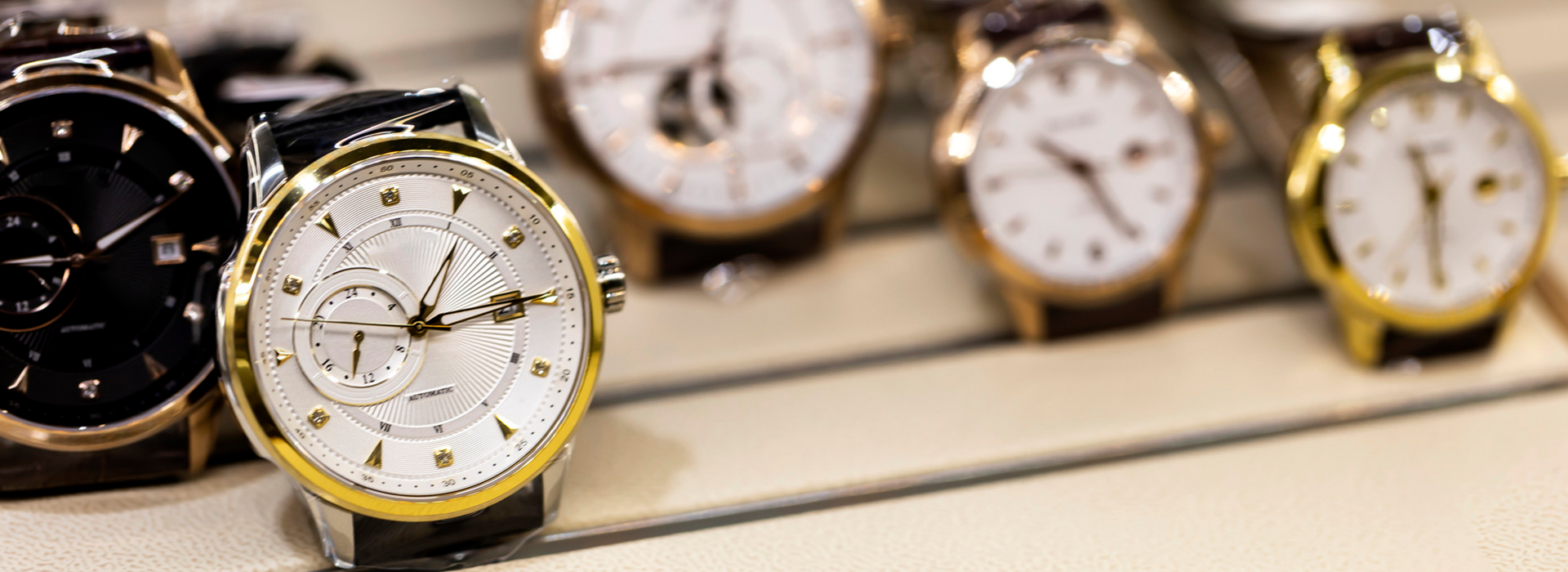
Comparison of Acrylic, Mineral, K1 and Sapphire Watch Crystals
Time:
2026-05-08 17:11
Source:
A watch crystal acts as the window of a timepiece, serving primarily to protect the dial and hands from impact and damage. Nowadays, apart from watches designed for the visually impaired, it is rare to find a watch without a crystal on the market.
Early timepieces had no crystal protection at all. It was around 1610 when King Charles II of England introduced waistcoats with pockets. Watchmakers then sought to create flatter, more portable timepieces, leading to the birth of the first pocket watch. Since then, watchmakers began covering dials with glass to shield them from external damage.
Today, watch crystals are crafted from a variety of materials. The four most common types are Acrylic (Plastic), Mineral, K1 Hardened Glass and Sapphire Crystal. In this professional guide from Proact Watch, we break down the characteristics and differences of each watch crystal material in detail.

Acrylic Watch Crystal (Plexiglass Crystal)
Acrylic was first produced in 1928 and launched commercially five years later. During World War II, governments and military forces worldwide searched for shatter-resistant crystal materials for military watches, marking the first application of acrylic in watchmaking.
As a soft flexible material, acrylic is exceptionally shatterproof. Notably, Omega’s original Speedmaster — the first watch worn on the moon — was fitted with an acrylic crystal. NASA required shatter-resistant crystal to prevent broken glass fragments from floating inside the spacecraft.
While acrylic is prone to scratches, its flexibility can also be an advantage: minor scratches can be easily polished away. Simply apply a polishing compound such as Polywatch to the crystal and buff out blemishes with a soft cloth.
With the emergence of advanced crystal materials, acrylic gradually declined in popularity. Today, it is mostly seen on vintage-style watches.
Advantages
- Highly shatter-resistant
- Minor scratches are polishable
- Cost-effective
- Lightweight
- Classic vintage aesthetic
Disadvantages
- Easily scratched
- Lower light transmittance and clarity
Mineral Watch Crystal
Demand soon grew for harder, more durable watch crystals. With the development of the glass industry, mineral glass was introduced.
Tempered mineral crystal outperforms acrylic in every key aspect: harder, more scratch-resistant, and with superior light clarity. For this reason, mineral crystal remains widely used on most mid-range watches. However, it falls short when compared to sapphire crystal, which we will introduce below.
Advantages
- Harder than acrylic
- Better scratch resistance than acrylic
- Higher corrosion resistance
- Good light transmittance and clarity
Disadvantages
- More expensive than acrylic
- Prone to cracking under severe impact
K1 Watch Crystal (Hardened Crystal Glass)
Standard mineral crystal could not fully meet market demands. Watch manufacturers began developing composite glass that combines the shock resistance of plastic with the scratch resistance of tempered glass.
K1 crystal is a specially treated upgraded version of standard mineral glass. It offers better scratch resistance than regular mineral glass and superior shatter resistance compared to sapphire crystal. Some watch brands also release proprietary upgraded mineral glass, such as Seiko’s Hardlex crystal.
Advantages
- Higher light transmittance than acrylic
- More shatter-resistant than sapphire crystal
- Hardness second only to sapphire crystal
- Better scratch resistance than ordinary mineral glass
Disadvantages
- Still liable to crack upon heavy drops or collisions
- Rarely scratched, but not entirely scratch-proof
Sapphire Watch Crystal
The 1960s marked a new era in watchmaking with the widespread use of sapphire crystal.
Watch-grade sapphire crystal is a lab-grown synthetic material made from aluminium oxide, different from natural sapphire. Advances in synthetic technology enable the production of high-quality man-made sapphire crystal. As early as 1929, Jaeger-LeCoultre already adopted sapphire crystal for its watch dials. Synthetic sapphire eliminates the impurities and flaws found in natural sapphire.
Among all watch crystal materials, sapphire ranks the hardest at Mohs hardness 9 (diamond ranks 10), offering the ultimate scratch resistance. It has long been the premium choice for luxury watches, with no alternative material able to replace it to this day.
Even so, sapphire crystal is not perfect. Though unmatched in scratch resistance, it lacks the flexibility of acrylic. Intense impact can still cause sapphire crystal to crack or shatter.
Advantages
- Hardest watch crystal material (Mohs hardness 9)
- Supreme scratch resistance
- Highest light transmittance and clarity
- Excellent corrosion resistance
Disadvantages
- Premium pricing
- Still at risk of cracking or breaking under strong impact
Which Watch Crystal Is the Best?
Undoubtedly, ignoring cost, sapphire crystal is the top-performing option. Yet watch brands continue to use all four materials for different design and functional reasons. Omega still offers Speedmaster models with both sapphire and acrylic crystals for customers to choose from, while most Seiko dive watches remain equipped with its proprietary Hardlex crystal.
In short, every watch crystal material has its own pros and cons — there is no one-size-fits-all "best" option. Now that you understand the differences between acrylic, mineral, K1 and sapphire crystals, you can choose the most suitable one according to your personal needs.
For more professional watch knowledge, follow our official website: www.proactwatch.com. We update watch expertise regularly for watch enthusiasts.
Previous page
Previous page


LATEST NEWS & BLOGS


MOBILE/WHATSAPP:
E-MAIL:
ADDRESS:
-
701, Building C, Nanchang Qianwan Hard Technology Industrial Park, Gushu, Xixiang Street, Bao'an District, Shenzhen, China

Copyright © 2023 Shenzhen Proact Watch Co., Ltd.
-
Powered by www.300.cn